The conversation around classroom technology is changing — quickly.
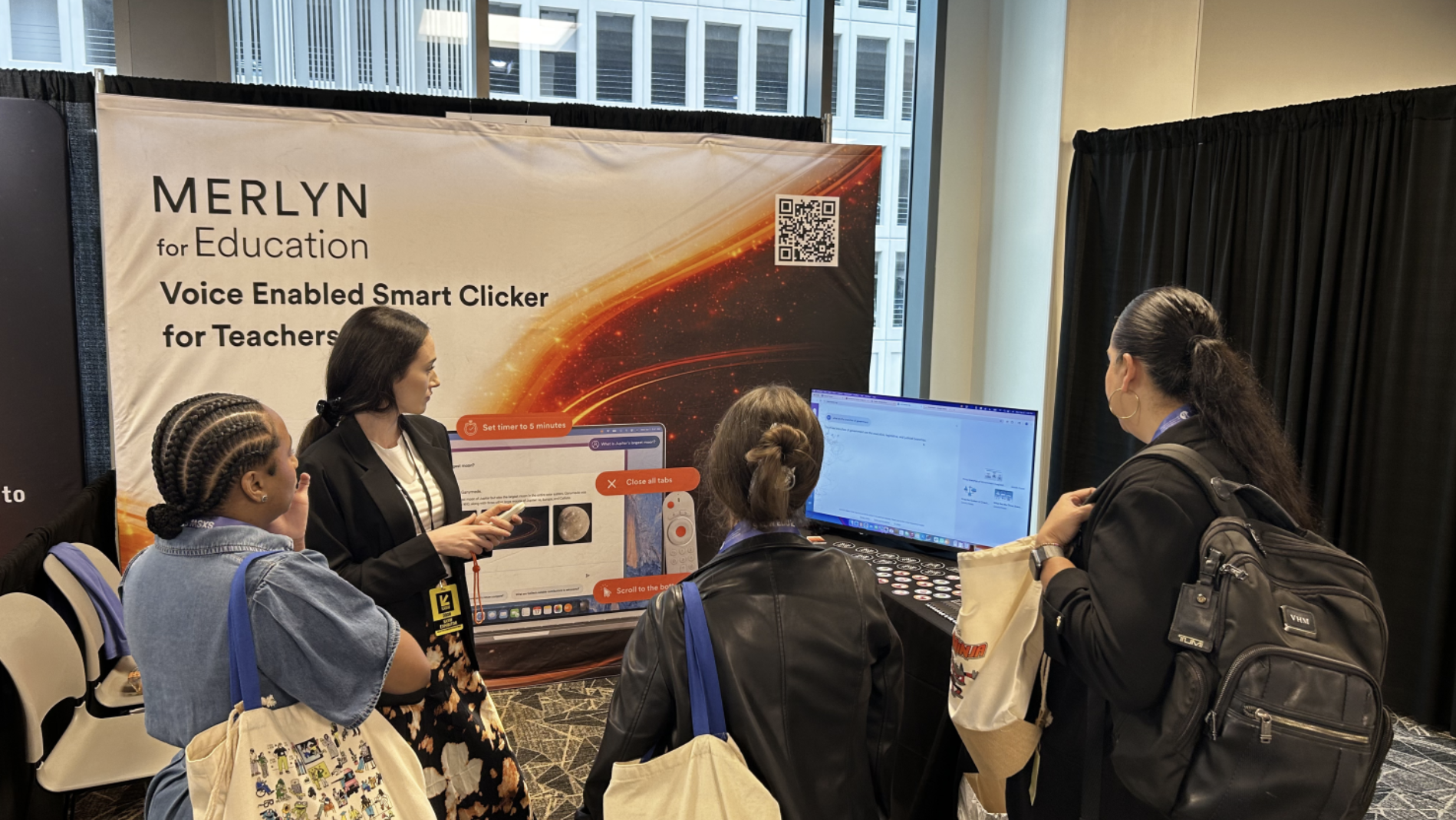
In Q1 alone, the Merlyn for Education team was on the ground at more than 10 conferences across the U.S. and London, connecting directly with educators, administrators, and district leaders. From CES in Las Vegas — where we were honored with a Top Innovation Award — to Bett UK in London, SXSW EDU in Austin, and events across Pennsylvania, Ohio, North Carolina, California, Wisconsin, Georgia, and Texas.
One thing became very clear: educators aren't looking for more technology. They're looking for technology that actually works in the classroom.
A Consistent Theme Across Every Conversation
Across more than 1,000 conversations, we heard the same challenges again and again:
- Classroom technology that interrupts instruction
- Too many tools to manage during a lesson
- Not enough time to focus on students
Teachers don't need more platforms to manage. They need tools that integrate seamlessly into instruction — tools that disappear into the flow of teaching rather than adding to the workload.
Seeing It Click — In Real Time
What stood out most wasn't just what people said. It was how they reacted.
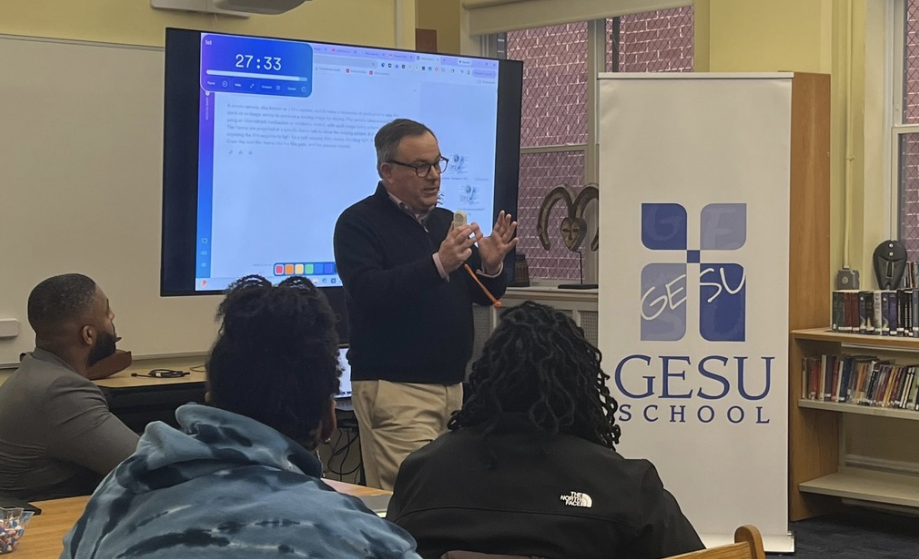
As we demonstrated voice-controlled classroom technology live, there was a noticeable shift across every room:
- Curiosity turned into understanding
- Skepticism turned into excitement
- Questions turned into "this would change everything"
When educators see how an AI assistant can support real-time instruction, classroom flow, and student interaction simultaneously — it clicks immediately. Not eventually. Immediately.
Why Voice-Controlled AI Is Resonating
The strongest signal across every event was this: voice feels natural in the classroom.
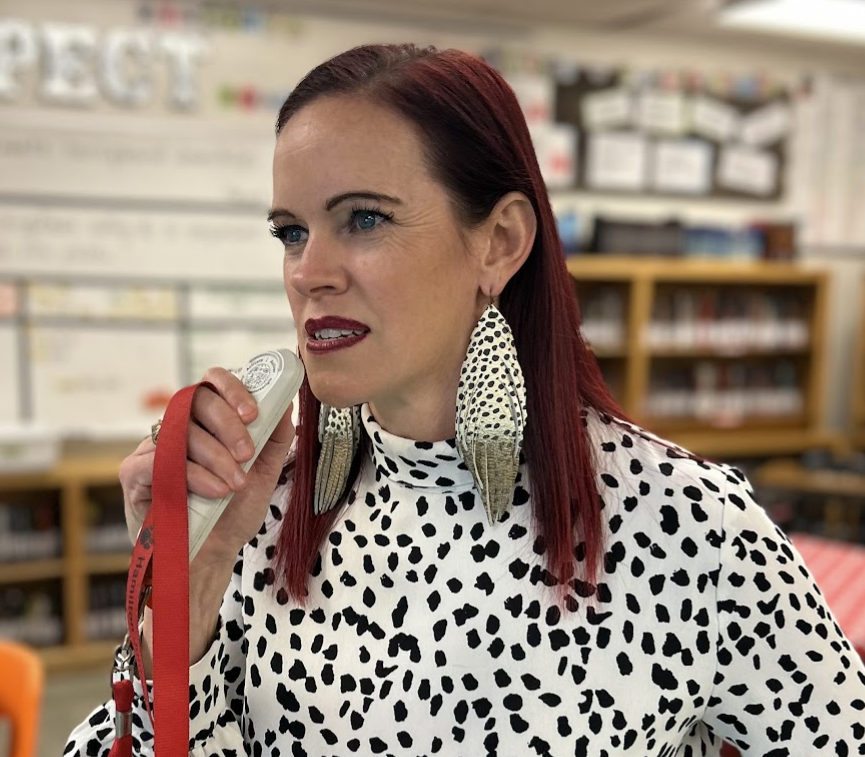
Teachers are already leading through conversation — asking questions, guiding discussions, adapting lessons in real time. With voice-controlled AI built specifically for teachers, like Merlyn Origin, technology becomes part of that flow instead of interrupting it.
That's where the real value is:
- More time engaging students
- More flexibility during instruction
It's not a new workflow. It's an enhancement of the one great teachers already use.
The Market Is Ready — And Asking for This
What we're seeing isn't early curiosity anymore. It's alignment.
Educators and administrators are actively looking for simpler classroom technology — tools that reduce cognitive load, keep teachers present with students, and are purpose-built for education, not adapted from somewhere else.
That last point came up repeatedly. There's a meaningful difference between technology that was designed for classrooms from the ground up and technology that was retrofitted for them. Educators know the difference. And they're asking for the former.
Looking Ahead
Q1 was about listening, learning, and validating what's happening inside classrooms today. The conversations were consistent, the energy was real, and the direction is clear.
The future of classroom technology isn't more complex — it's more intuitive, more responsive, and more aligned with how teachers actually teach.
And if the first quarter is any indication, that future is already taking shape.
Merlyn for Education connects with educators at conferences, district events, and school visits throughout the year.